Eradicating the Private Vehicle
For a century, urban layouts capitulated to the automobile. This model has collapsed under the weight of emissions and spatial inefficiency. The sustainable city reclaims asphalt, replacing multi-lane arteries with hyper-dense public transit corridors. The implementation of Zero-Emission Zones (ZEZ) is no longer a suggestion; it is a rigid legal mandate enforced at the structural level.
The Superblock Methodology
Pioneered in Barcelona, the Superblock (Superilla) system mathematically isolates vehicular traffic to the perimeter of designated multi-block grids. The interior space is handed back to pedestrians, micro-mobility channels, and biophilic infrastructure. This brutalist reorganization of space drastically lowers localized particulate matter and ambient noise, turning streets into civic courtyards.
Autonomous High-Density Networks
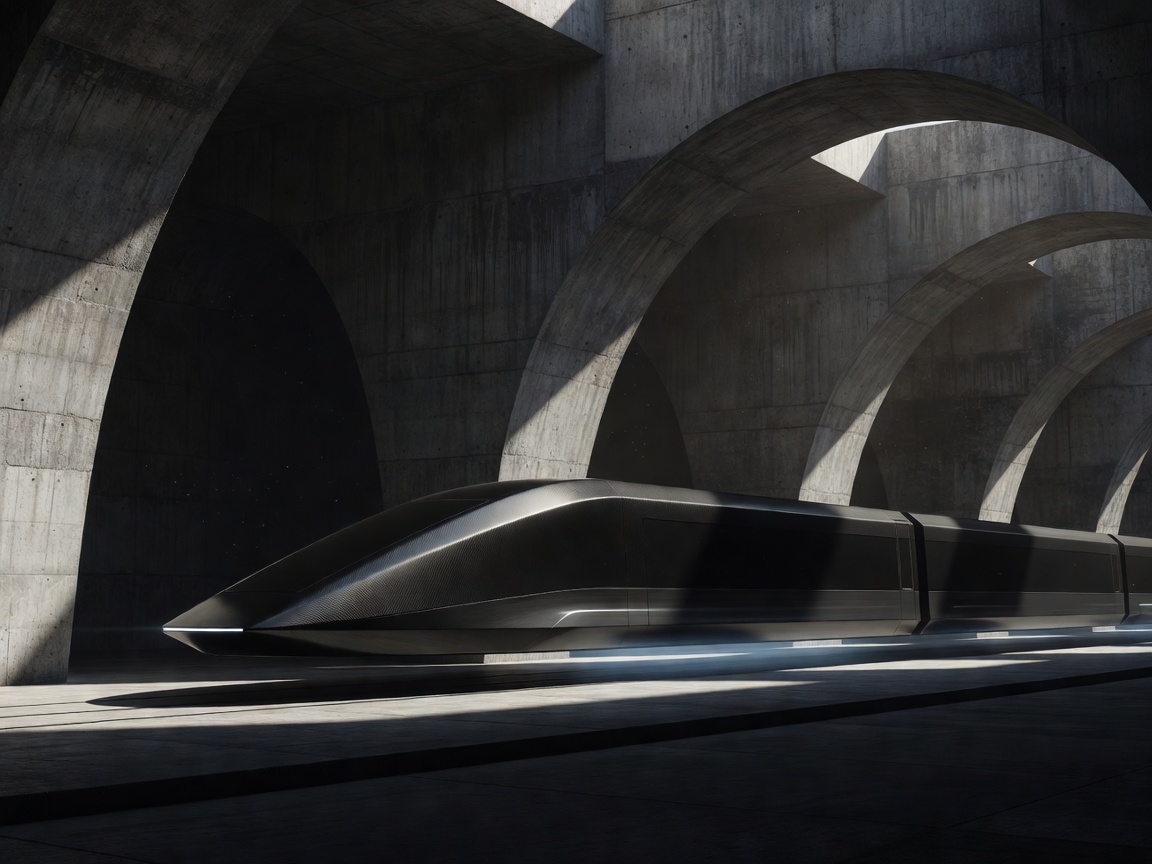
Buses and light rail are upgraded to autonomous, high-frequency platoons. Operating on dedicated, physically separated right-of-ways, these electric pods communicate dynamically with grid infrastructure. During low-demand cycles, excess kinetic energy is fed back into the district grid. The transit network becomes an extension of the energy pillar.
Vertical and Subterranean Layering
Surface area is a premium asset reserved for human habitation and agriculture. Heavy transit moves below ground, while lighter automated aerial logistics (drones, suspended pods) utilize the Z-axis. Projects like 'The Line' in Neom demonstrate the extreme conclusion of this philosophy: a linear city where all transit operates strictly on subterranean, high-speed rails, eliminating the "street" as a vehicular concept entirely.