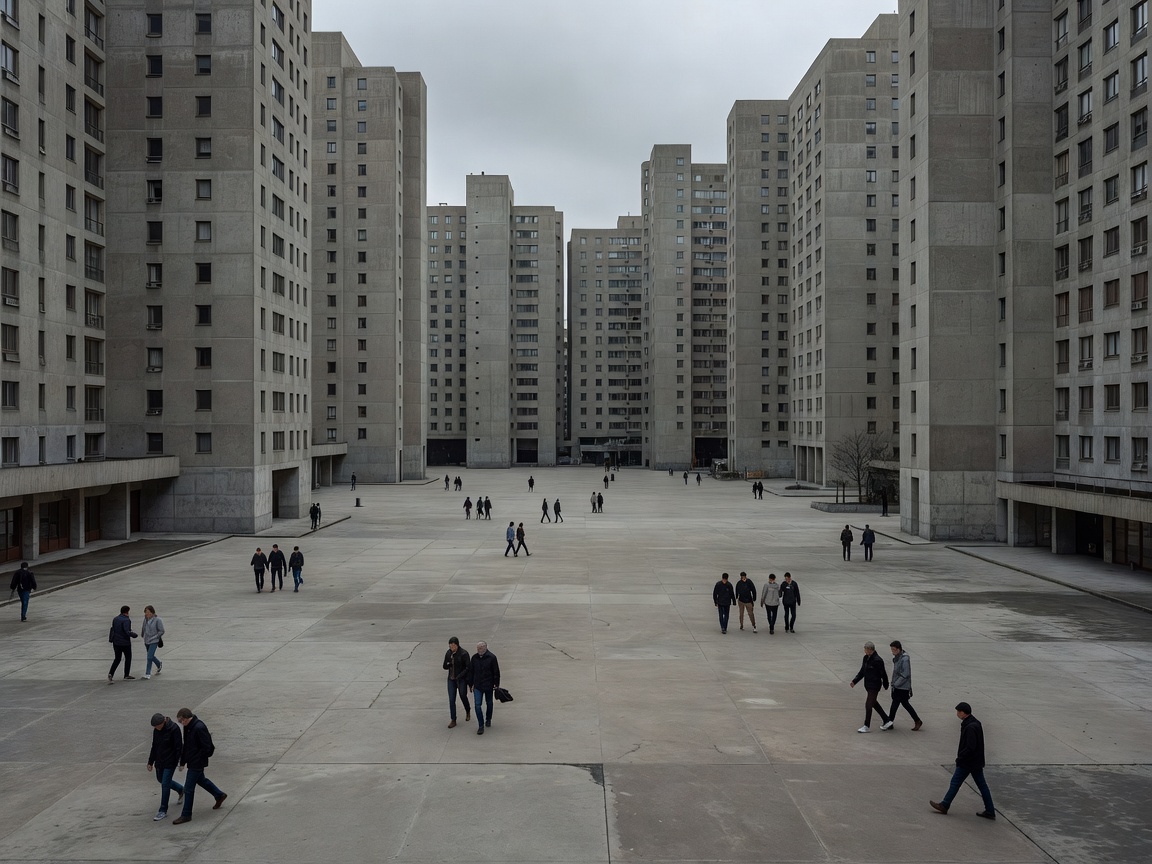
The 15-Minute City Doctrine
Coined by Carlos Moreno, the 15-minute city is not a convenience model; it is an emissions-reduction mandate. Society is restructured so that work, education, healthcare, and nutrition are accessible within a 15-minute walk or cycle from any residence. Zoning laws that previously separated commercial, residential, and industrial sectors are obliterated in favor of hyper-mixed-use mega-blocks.
Urban Agriculture & Resource Independence
A resilient city cannot rely on extended global supply chains for essential calories. Subterranean hydroponic farms and rooftop aeroponic greenhouses become structural requirements for new developments. The SG Green Plan (Singapore) exemplifies this, pushing for "30 by 30"—producing 30% of their nutritional needs locally by 2030 despite extreme spatial limitations.
Behavioral Engineering & Resource Rationing
Living in hyper-density requires a shift away from rampant individualism toward collective compliance. AI-driven smart grids monitor individual and household energy and water consumption. In times of drought or grid stress, dynamic resource pricing and hard rationing caps are enforced algorithmically. Water is processed circularly; decentralized greywater recycling dictates that waste from sinks immediately flushes toilets and irrigates biophilic facades.
Civic Spaces as Survival Infrastructure
Public squares are no longer merely aesthetic gathering points. They are engineered as disaster-relief staging grounds, floodwater absorption basins (sponge cities), and localized cooling centers during lethal heatwaves. Society’s interaction with the city becomes one of mutual preservation.